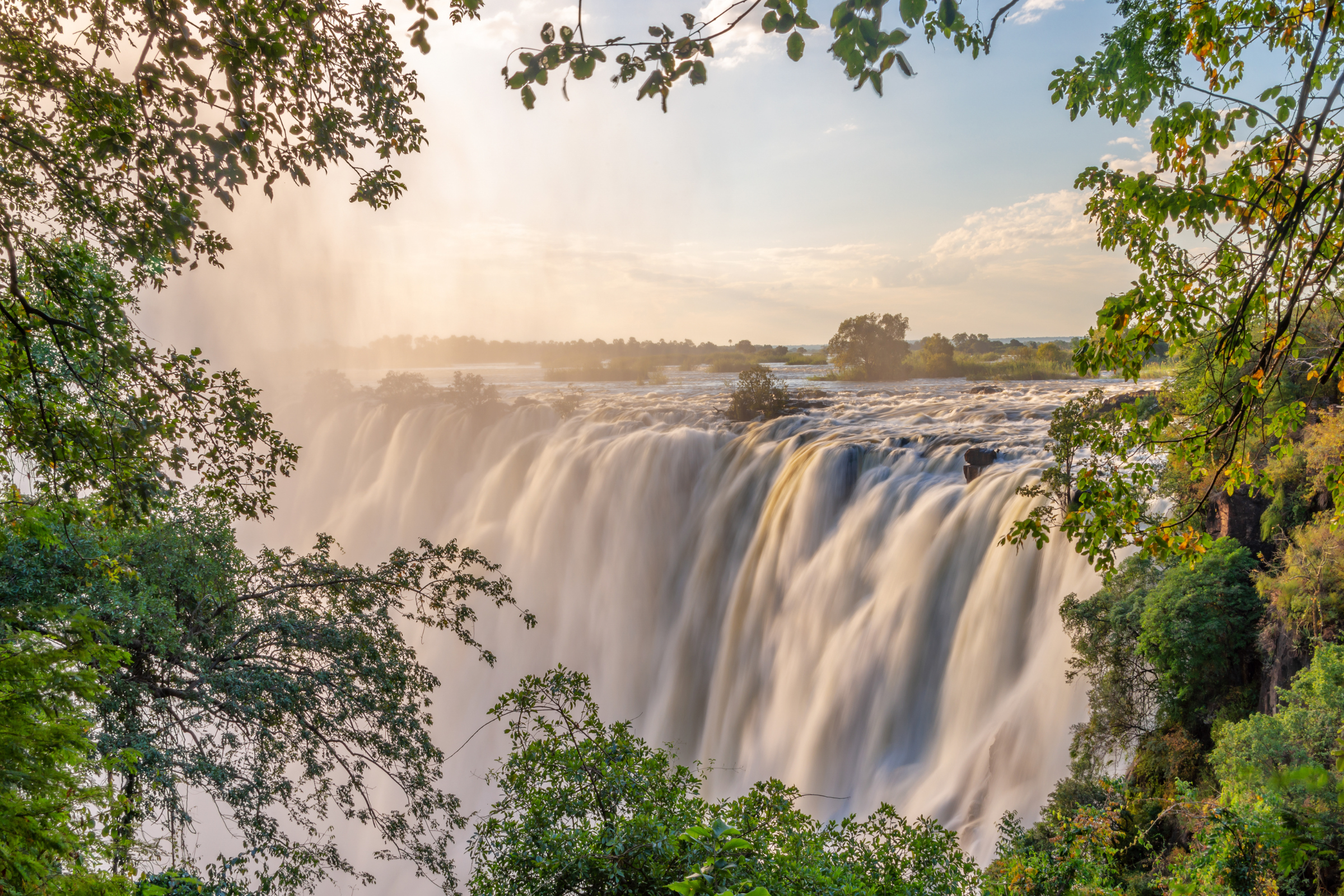
Why October is the finest
month in Zimbabwe.
I have been asked many times which month I would choose if I could go to Zimbabwe only once. The answer has never changed. October. Not July, despite its reliable skies. Not August, despite the crowds it draws to the continent's most celebrated reserves. October. The month the bush holds its breath before the rains arrive, and the wildlife moves with a kind of magnificent urgency that makes every game drive feel like the most important one you have ever taken.
Zimbabwe is not the first African destination most people consider. That is, in large part, the point. It lacks the machinery of mass tourism that has softened the edges of the Masai Mara and the Kruger. What it offers instead is something rarer: genuine wildness, exceptional guiding, and landscapes so un-photographed that you will return home with images that look like no one else's.
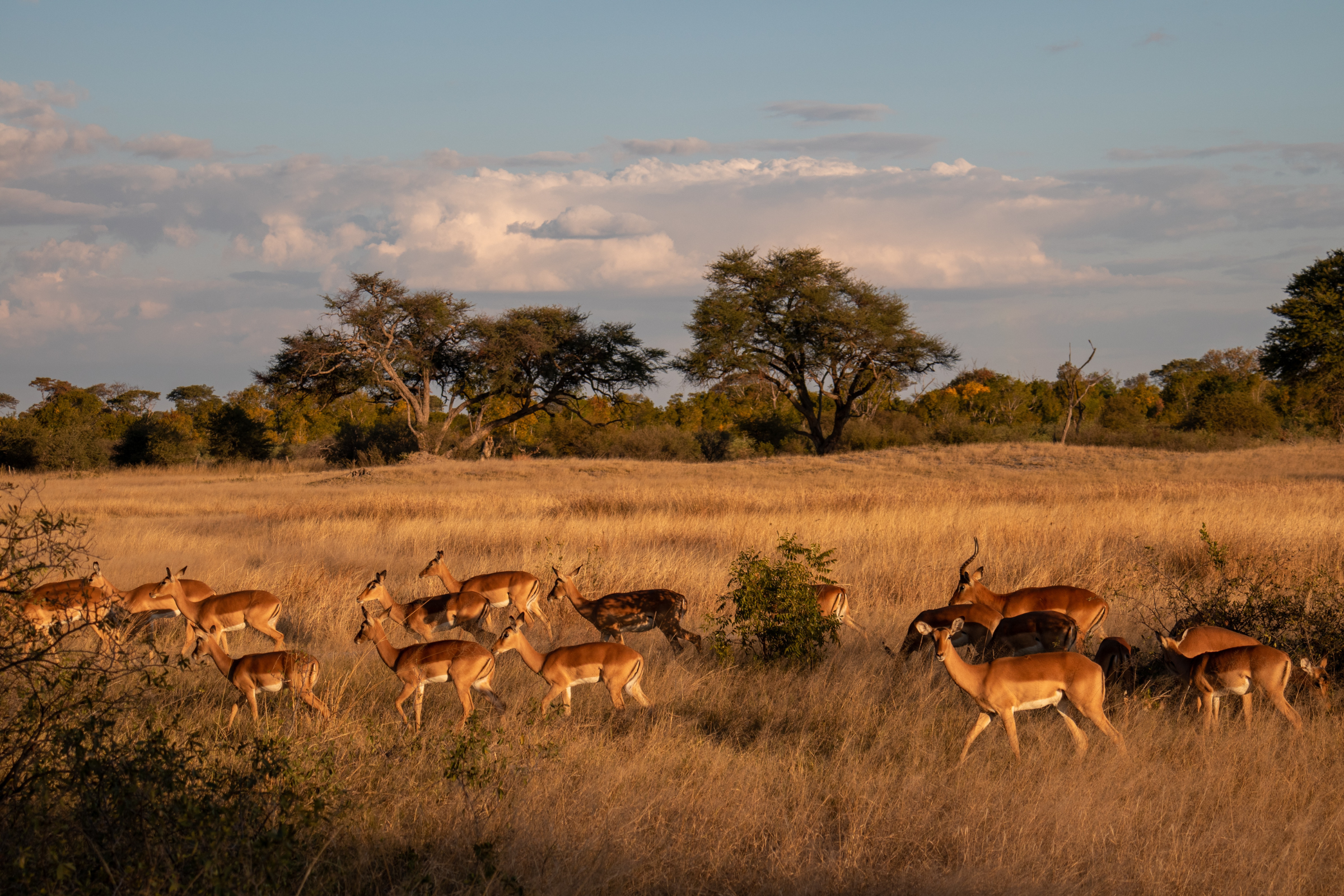
October sits at the very end of the dry season, and that timing is everything. The waterholes are at their lowest. The vegetation has been stripped to its skeletal essentials. And the animals, following an ancient and reliable calendar, converge on the remaining water sources in concentrations that would stop your breath.
The science of the dry season
Zimbabwe's dry season runs from approximately May through October, but within that window, the final weeks are categorically different from the first. By May, the rains have recently finished and the bush is still relatively green. By October, six months without precipitation have transformed the landscape into something that reads, at first glance, as austere. The acacia trees are bare. The grass is the colour of old gold. The Zambezi River, running along Zimbabwe's northern border, has dropped to its lowest navigable level.
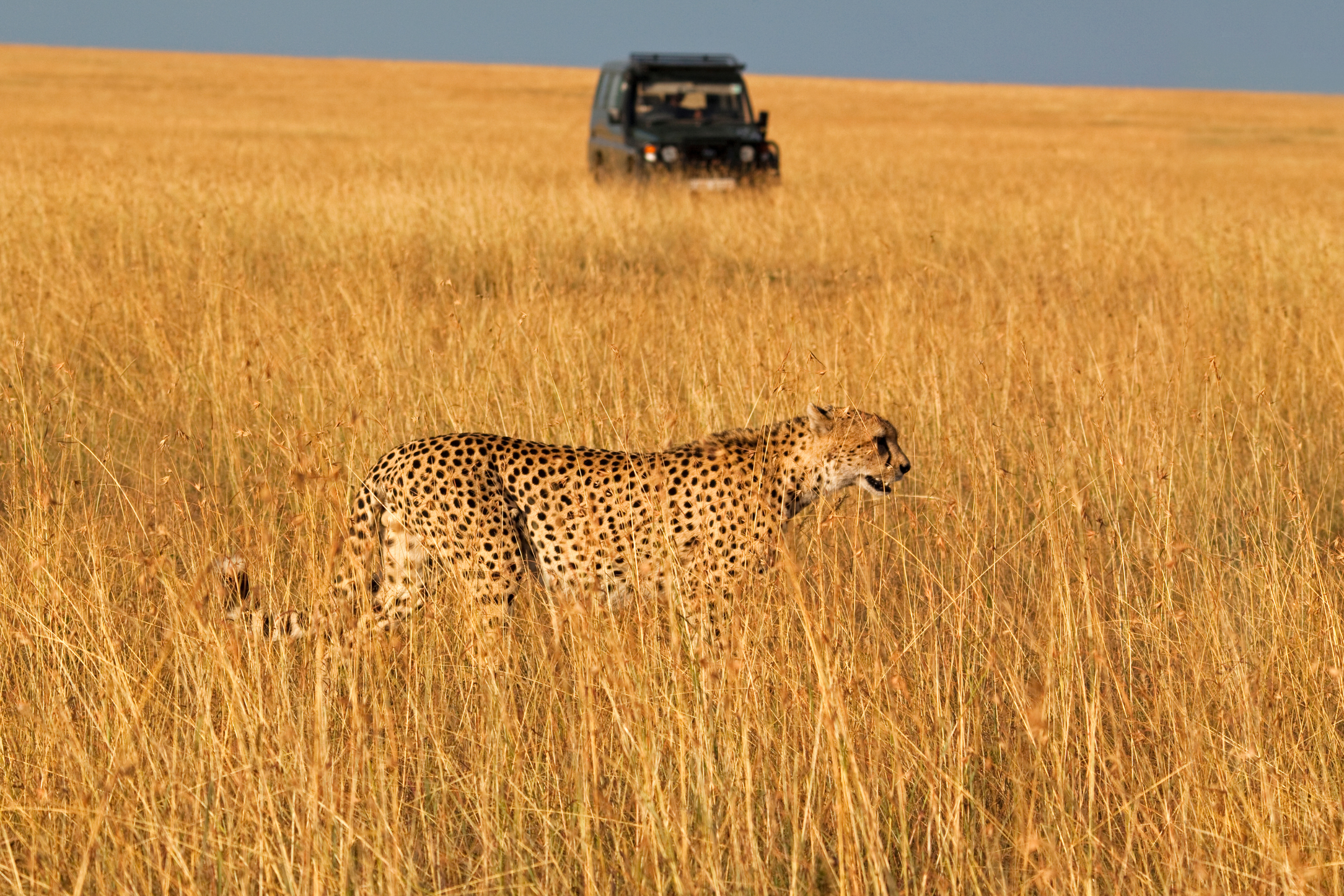
What this austerity produces, for the wildlife observer, is visibility of a kind that simply does not exist in wetter months. In January, when the rains have arrived and the bush has erupted in dense green, a lion can be twenty metres from your vehicle and invisible. In October, the same lion is silhouetted against an empty sky on a ridge you can see from half a kilometre away.
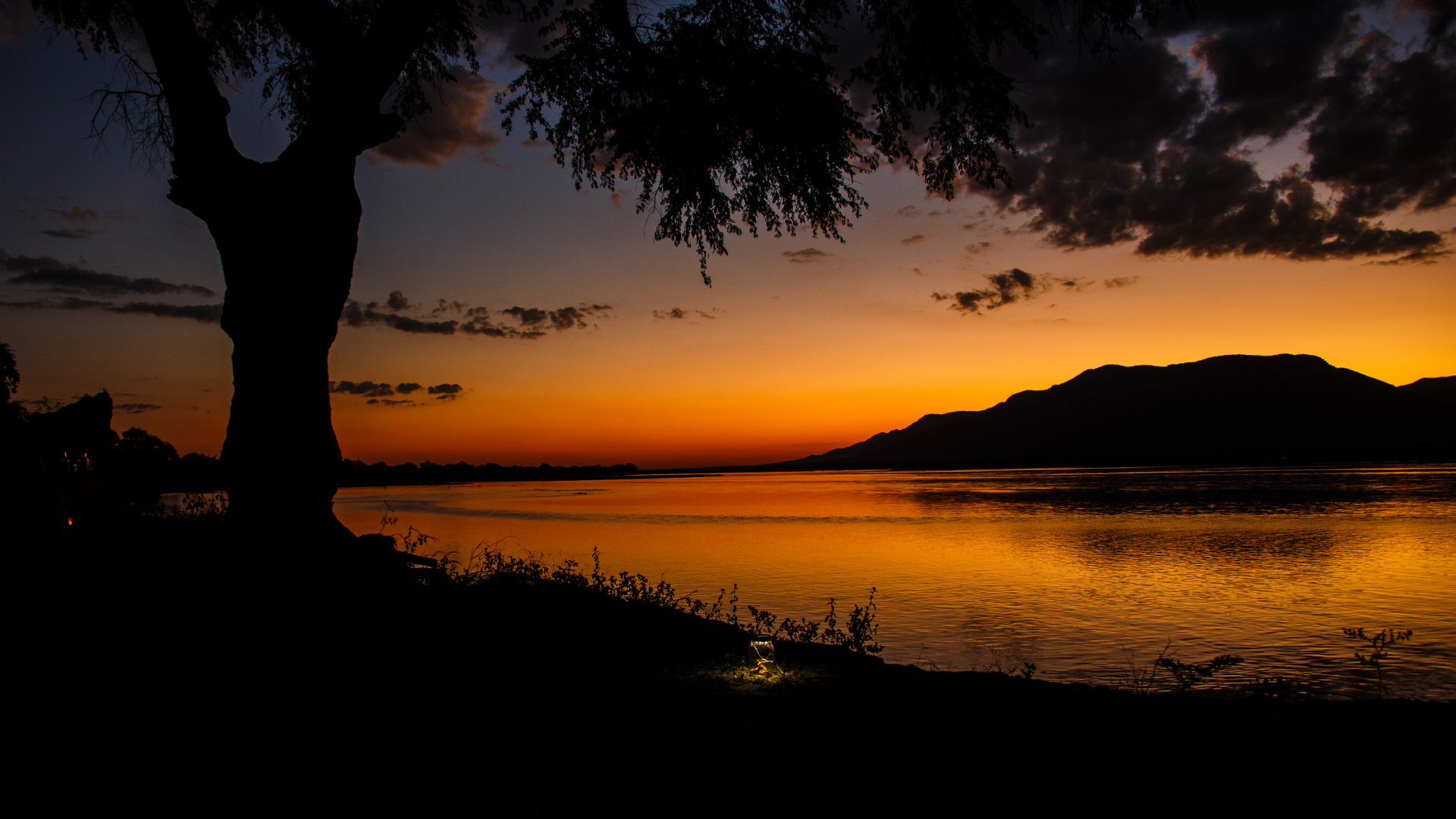
The heat in October is significant and should not be understated. Temperatures in the Zambezi Valley regularly reach 38 to 40 degrees Celsius in the early afternoon. This is not comfortable by most measures. It is, however, entirely manageable if you travel in the way that October demands: pre-dawn game drives that capitalise on the cool morning air and the extraordinary golden light; a return to camp by mid-morning; a long, still afternoon that any sensible person spends reading in the shade or sleeping; and an evening drive that begins as the light turns amber and the temperature drops sharply.
The rhythm October forces upon you is, by most accounts, the finest thing about it.
"The animals move towards water with a purpose that is almost ceremonial. I grew up watching this. It is still the most beautiful thing I have ever seen."
Dalene, Founder, Atlas AtelierHwange: Africa's elephant capital
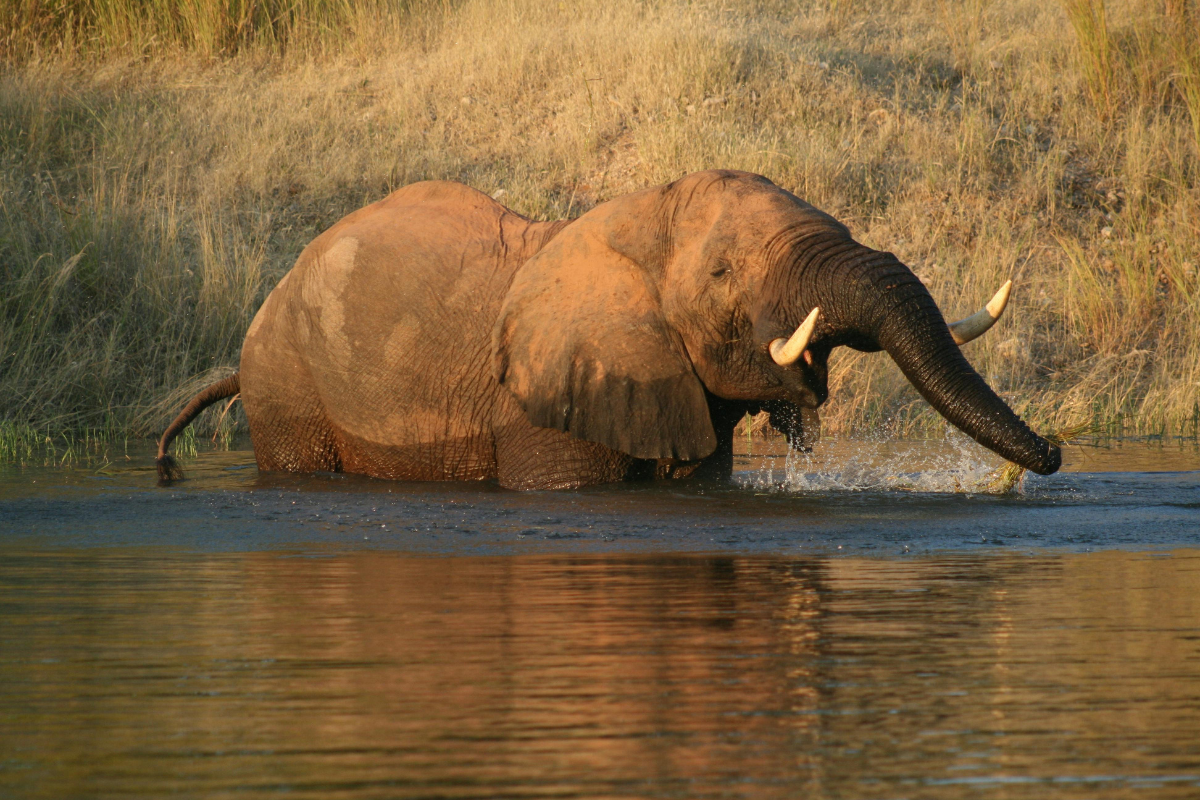
Hwange National Park, Zimbabwe's largest game reserve at just over 14,600 square kilometres, holds one of the largest elephant populations on the African continent. Conservative estimates place the number at around 45,000 animals, though the true figure is believed to be higher. In October, as the outlying pans dry to cracked earth, those elephants move towards the pump-fed waterholes in numbers that defy easy comprehension.
It is not unusual, in the right location at the right moment, to watch four or five hundred elephants arrive at a single waterhole over the course of an afternoon. They come in family groups, the matriarchs leading with a certainty that suggests they have walked this route a hundred times, which they have. The calves stumble and splash. The bulls stand at the periphery, patient and enormous. The noise of five hundred elephants drinking is something you carry home inside you.
The camps I recommend for October in Hwange are those positioned close to active waterholes: Somalisa Expeditions, run by African Bush Camps, offers one of the most considered safari experiences in the country. Little Makalolo, tucked against a series of productive pans, delivers exceptional game density. For those who want something smaller and more private still, Davison's Camp has a loyal following among clients who return to Zimbabwe year after year.
Victoria Falls: the smoke that thunders
Mosi-oa-Tunya. That is what the Kololo people called it when David Livingstone arrived in 1855 and renamed it in honour of a monarch who would never see it. The smoke that thunders. It is, by any measure, a more accurate description.
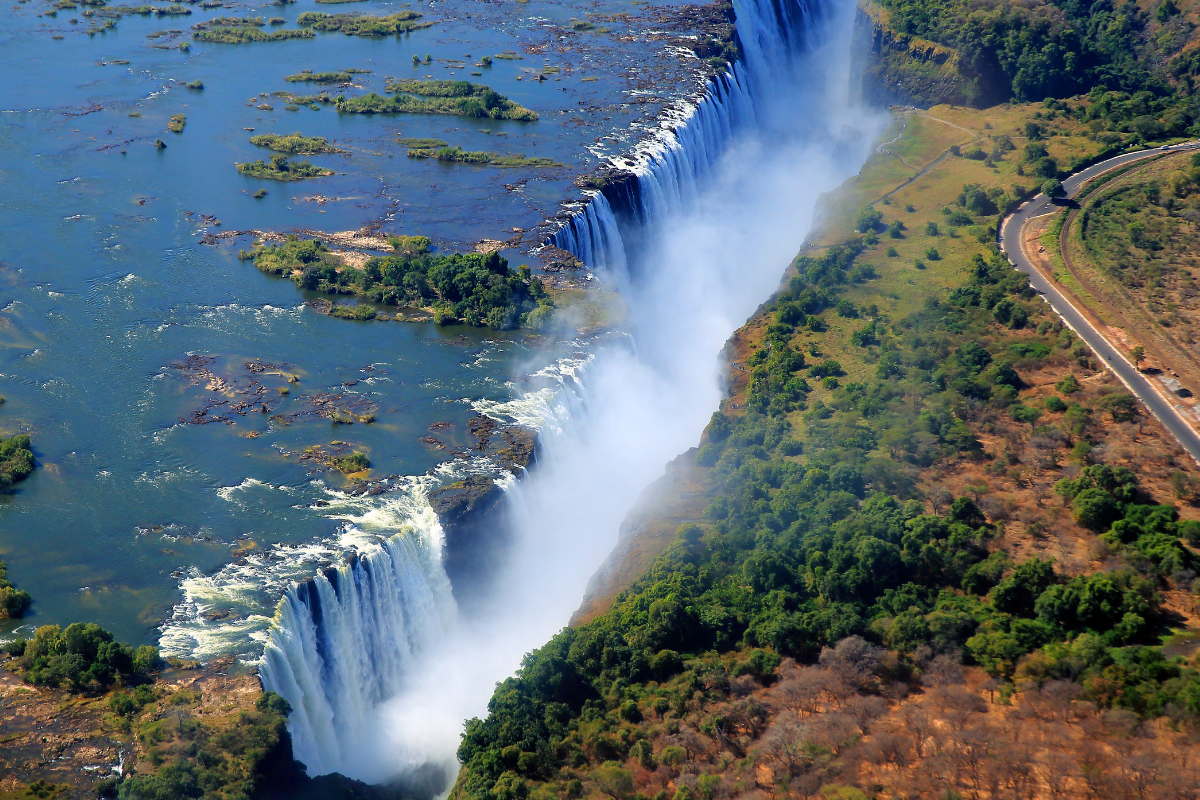
Victoria Falls straddles the border between Zimbabwe and Zambia, and it is one of the few natural phenomena that exceeds its reputation. At 1,708 metres wide and dropping 108 metres into the Batoka Gorge, it is the world's largest waterfall by total area of falling water. In October, the Zambezi River is at its lowest, and this produces an experience that differs significantly from the peak-flow months of March and April.
In March, the Falls are almost incomprehensible in scale. The spray rises to 400 metres and can be seen from 50 kilometres away. It is overwhelming, drenching, and difficult to photograph. In October, the lower flow reveals the full geological face of the Falls: the basalt gorges, the columns of rock, the Devil's Pool on the Zambian side where, at certain water levels, it is possible to swim to the very lip of the 108-metre drop and look down. This is one of those experiences that sounds improbable until you are there, lying on your stomach on the edge of the world.
The guide question
Zimbabwe produces some of the finest safari guides in Africa, and this is not a casual observation. The Professional and Safari Guides Association of Zimbabwe maintains standards that are genuinely rigorous, and the guides who operate in Hwange and the Zambezi Valley are, in many cases, men and women who have spent decades in these specific landscapes. They know the elephants. Not in an abstract sense. They know particular families. They can identify individual animals by their ear patterns and tusk shapes, and they will tell you, with the quiet authority of someone who has simply been paying attention for thirty years, why the herd moving towards the pan from the south is likely to have come from the vleis near Ngweshla.
That knowledge is the journey. Not the tent, not the vehicle, not the food, however excellent all of those things might be. When I design a Zimbabwe safari, I build it around the guide first.
A note on the rains
The first rains of the season, when they come, are among the most extraordinary things the bush produces. They do not arrive gently. They arrive with the violence of something that has been building for six months: black clouds stacking over the Highveld in the late afternoon, the air turning electric, the animals lifting their heads in something that looks very much like anticipation, and then the rain, sudden and absolute, turning the red Kalahari sand dark within seconds.
If you are lucky enough to experience the first rain of the season during an October visit, you will have witnessed something that very few people who travel to Africa ever see. The smell alone, the particular mineral scent of rain on dry earth that the Australians call petrichor, is worth the journey.
October in Zimbabwe is not the easiest month. The heat demands respect and the logistics require more thought than a peak-season visit. But for those who understand what the dry season's final act produces, it is, without qualification, the finest month in the finest wildlife destination I know.
I was born here. I have been watching October arrive for forty years. It still surprises me.
October is the moment.
Africa has been waiting.
I design Zimbabwe journeys for a limited number of clients each year. If October has moved you, a conversation is where it begins. I will come back to you within 24 hours with something worth reading.