The honest guide to planning
your first African safari.
The most important decision you will make about your first African safari is not where to go. It is not when to go. It is not which camp to choose or how many nights to spend in each location. The most important decision is who designs it for you. Everything else follows from that choice, and I will explain exactly why that is true.
I have been designing African safaris for over seven years. I was born and raised in Zimbabwe, which means I arrived in this industry with a substantial head start: I already knew what Africa felt like before I knew what travel planning was. What I have learned in the two decades since is that the safari industry, which presents itself as a straightforward market of lodges and operators and itineraries, is in reality a landscape of enormous variation where the difference between a transformative experience and a merely adequate one is rarely visible from the outside.
This piece is not a balanced survey of African destinations. It is the honest account of what I tell clients who come to me planning their first safari, usually after months of reading conflicting information online and arriving in my inbox more confused than when they started.
The guide is the journey
I want to begin with what the safari industry almost never leads with, because it is the single most important variable in your experience and the one that most itineraries bury in small print.
The guide is the journey. Not the lodge. Not the vehicle. Not the destination. The person who sits in the driver's seat and walks ahead of you through the bush and knows, before you do, exactly where to look and what you are about to see.
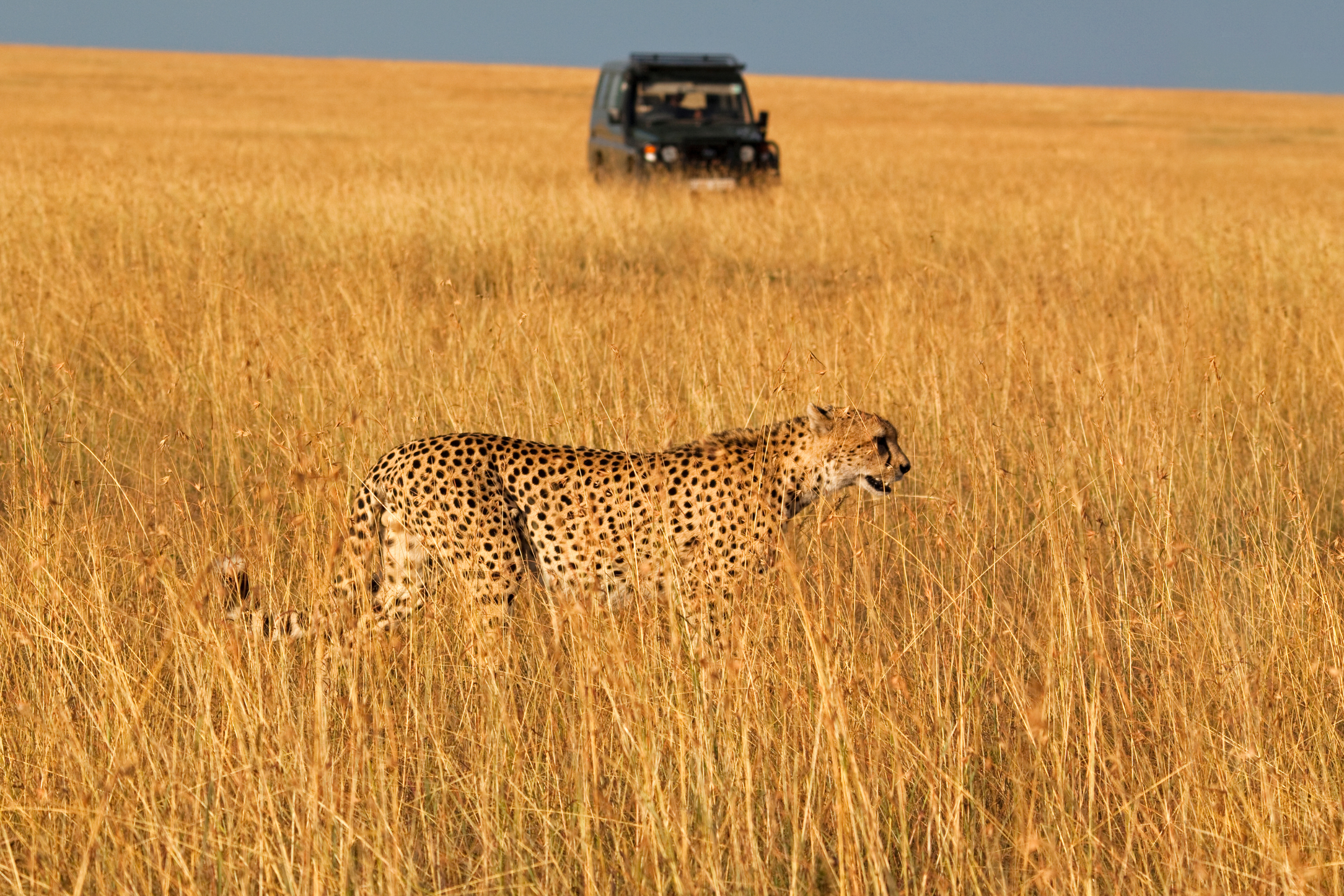
A great guide transforms a game drive into something closer to education, wonder, and genuine privilege combined. They see things you do not see. They know things the landscape does not advertise. They can tell, from a flicker of movement in the grass 400 metres away, that there is a leopard resting in the fork of an acacia, and they can position the vehicle so that you watch that leopard for forty minutes in the golden light of a late afternoon, close enough to see the flecks in its eyes, without it ever acknowledging your existence.
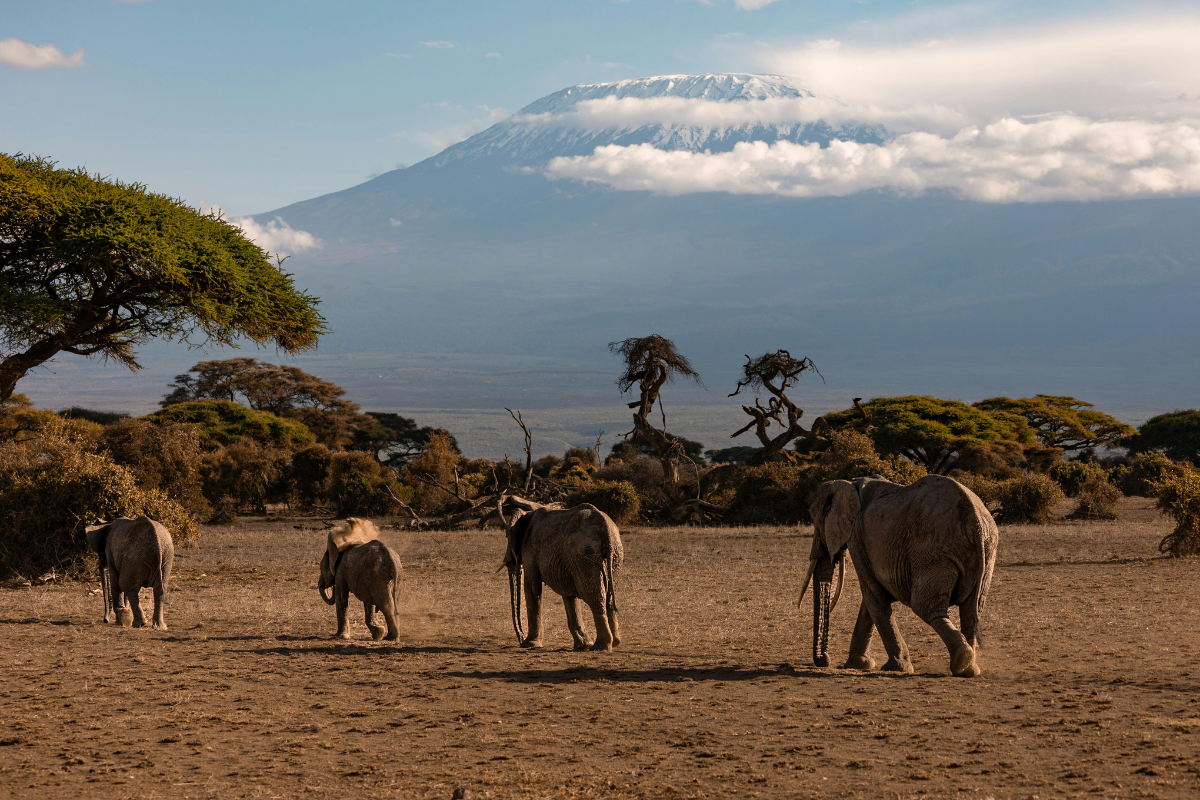
An average guide gives you the animals. A great guide gives you the animals and the context: the behaviour, the ecology, the story behind what you are looking at. After three days with a great guide, you understand Africa in a way that no documentary has managed to convey, because you are in it, at ground level, at pace, and with someone who loves it with a specificity that is contagious.
When I design a safari, I identify the guide before I identify the camp. At the properties I recommend, guiding standards are uniformly high. But even within those properties, there are individuals whose knowledge and passion are in a different category entirely, and I know who they are. That knowledge is not available on any booking website.
"You can upgrade your tent. You cannot upgrade your guide after you arrive. This is the one variable that cannot be corrected on the ground."
Dalene, Founder, Atlas AtelierEast Africa versus Southern Africa: the honest comparison
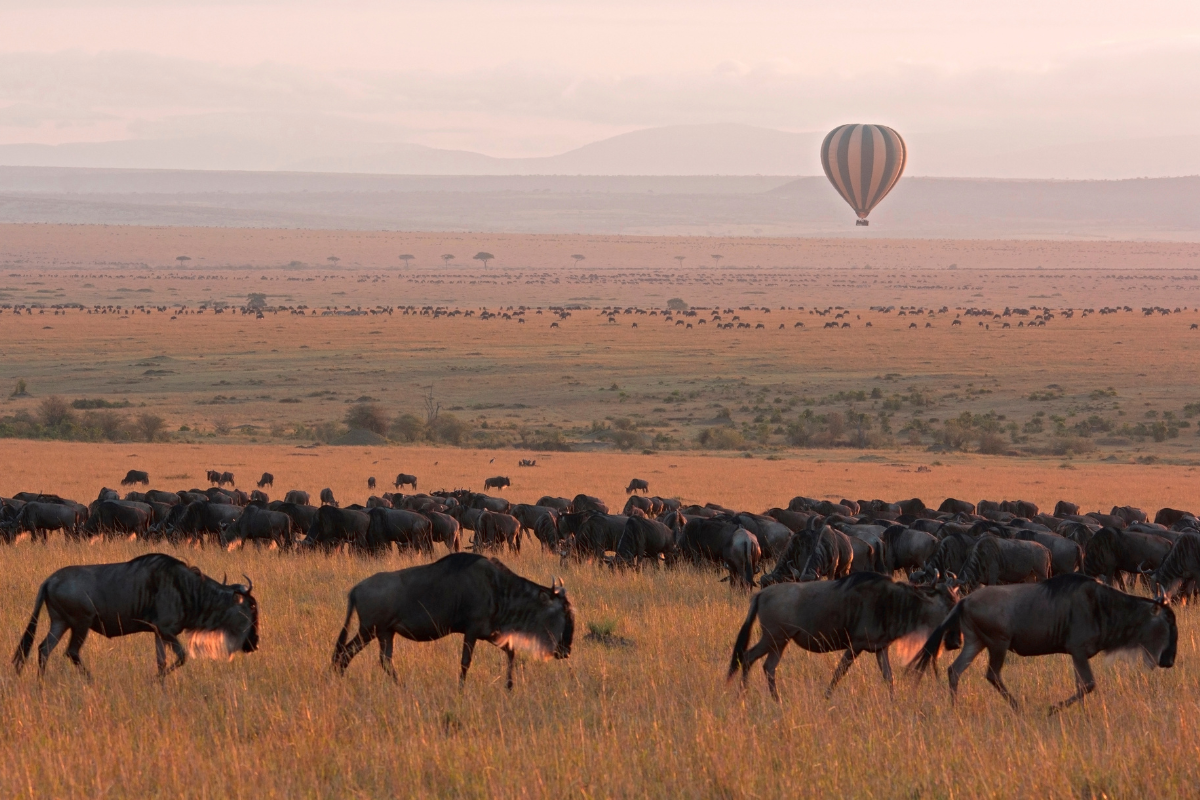
The Masai Mara and the Serengeti are the most famous safari destinations in Africa, and they deserve their reputations. The Great Migration, in which approximately 1.5 million wildebeest and 200,000 zebra make an annual circuit between the Serengeti in Tanzania and the Masai Mara in Kenya, is one of the most spectacular wildlife events on earth. If you are able to time your visit to coincide with the river crossings between July and October, you will witness something genuinely extraordinary.
What the marketing for East Africa is less forthcoming about is the vehicle density during peak season. At a celebrated river crossing in August, it is not uncommon to find twenty or thirty safari vehicles lined along the bank. The wildebeest are still remarkable. The crossing is still something you will describe for the rest of your life. But the experience of sharing it with twenty-nine other vehicles is qualitatively different from the private encounter that Southern African safari consistently delivers.
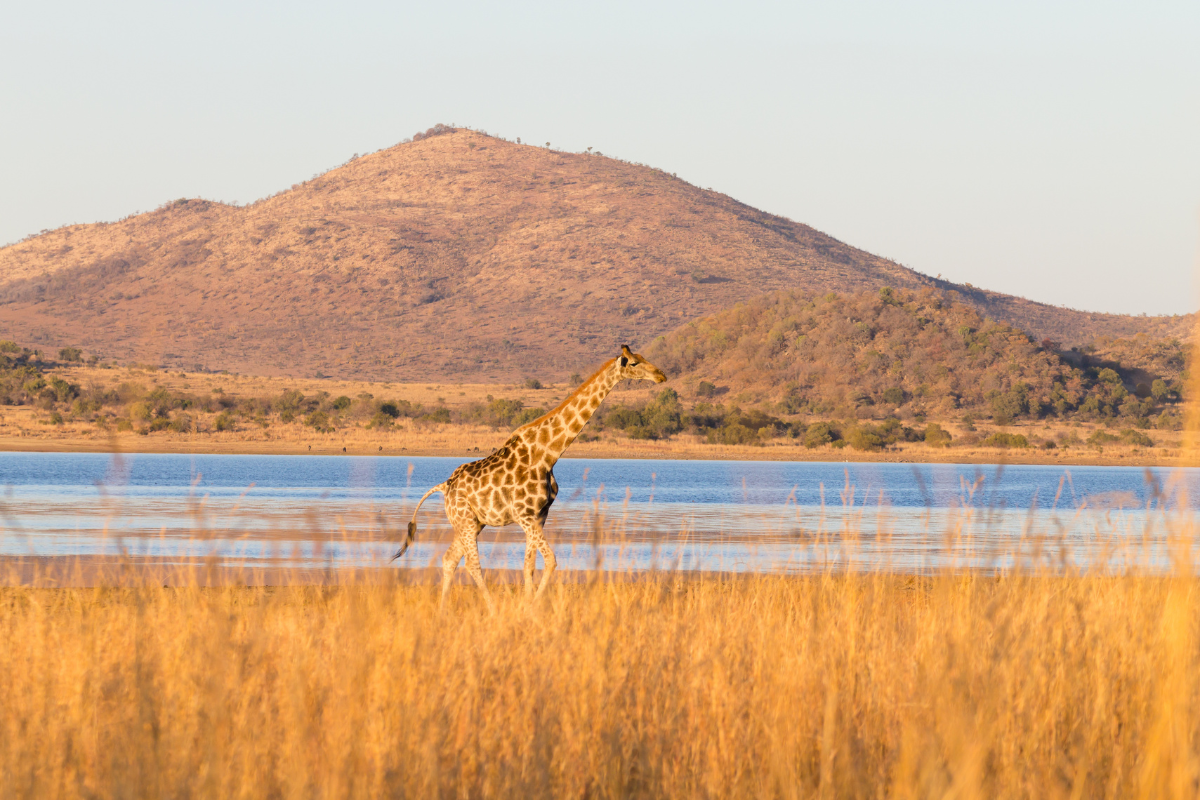
Southern Africa, and Zimbabwe in particular, operates on a different model. Private concessions and national parks where vehicle numbers are controlled, where walking safaris are permitted, and where the ratio of land to guests produces an experience that feels genuinely wild rather than managed. The wildlife in Hwange, Mana Pools, the Okavango Delta, and the private reserves surrounding the Kruger is as good as anything East Africa produces. It simply receives less press.
For a first safari, my recommendation depends entirely on what you are looking for. If the Great Migration is a specific ambition, East Africa in season is the correct choice. If you want the most immersive, private, and least interrupted wildlife experience possible, Southern Africa is where I would send you.
The seasonal question
Every destination guide will tell you when to go, and most of them are broadly correct. The dry season in East Africa (July to October) and in Southern Africa (May to October) produces the best game viewing, because the vegetation is low, the water sources are concentrated, and the animals congregate in ways that make them findable. This is true.
What those guides will not tell you is that the shoulder of the dry season, in both regions, often produces better experiences than peak season, for less investment and with fewer vehicles. October in Zimbabwe, as I have written elsewhere in this journal, is the finest month in the country's wildlife calendar. It is also less expensive than August and September and significantly less crowded.
The wet season, which most guides recommend against, has its own extraordinary qualities. The bush is green and lush. The light is dramatic. Newborn animals are everywhere. Migratory birds are present. The camps are quieter. For photographers, the wet season light is unrivalled. For a first safari, I lean towards the dry season because the game viewing is more reliable and the experience of seeing large mammals at a waterhole is easier to have. But I have never sent a client in the wet season who returned disappointed.
The right answer is always the same: tell me what you want to feel, and I will tell you when to go.
This is exactly the kind of
journey I was built to design.
Twenty years. Eight hundred journeys. I know these destinations the way most people know their own neighbourhoods. A conversation is where it begins. No obligation. Just two people who care about doing this properly.