Expedition cruising: why the clients
who try it never go back
to anything else.
There is a particular kind of traveller who arrives in my inbox having done everything. The Maldives. The Amalfi. The Kenyan safari. The Orient Express. The Aman properties. They have travelled extremely well, and they know it, and somewhere along the way the travel has stopped surprising them. Expedition cruising surprises them.
Expedition cruising occupies a category so distinct from conventional luxury cruising that calling them both "cruises" is a category error of some significance. A large luxury liner visiting the Norwegian fjords is a beautiful object delivering a comfortable experience. An expedition vessel in the Weddell Sea, surrounded by Antarctic pack ice in absolute silence, is something else entirely. It is one of the last forms of genuinely remote travel available to a civilian passenger in 2026.
The expedition cruise market grew by 22 percent in the twelve months to December 2025, driven almost entirely by clients who had done conventional luxury and found themselves looking for the next level of experience. I have been designing expedition cruises for a significant portion of that market, and what I observe consistently is this: no one who has stood on the bow of an expedition vessel watching penguins on an Antarctic ice floe, in silence, with no other human structure visible in any direction, ever returns with ambivalence about the experience.
What expedition cruising actually is
An expedition cruise is, at its most basic, a voyage on a purpose-built small ship to a destination that larger vessels cannot access. The ships are typically between 100 and 300 passengers, built with reinforced hulls for ice navigation, and equipped with Zodiac inflatable craft that allow passengers to land on shores where there are no ports or jetties. The ratio of expedition staff to passengers is high: a typical voyage will carry 20 or more naturalists, geologists, ornithologists, and polar specialists whose purpose is to turn what you are seeing into something you understand.
This last point matters enormously. The difference between seeing a glacier and understanding how a glacier works, moves, retreats, and will ultimately disappear is the difference between a photograph and a memory. The expedition staff on the lines I recommend are not tour guides. They are scientists and specialists who happen to be exceptional communicators, and the lectures they deliver on board, in the evenings after a day of landings, consistently rank among the highlights of the voyage for passengers who board expecting the activities to be the main event.
The destinations
Antarctica is the destination that defines the category, and it deserves its reputation. The Antarctic Peninsula, accessible from Ushuaia in Argentina in voyages of ten to fourteen nights, is the most accessible part of the continent. Landings at sites including Neko Harbour, Portal Point, and Deception Island are among the most extraordinary experiences available in modern travel: a landscape that has been essentially unchanged for millions of years, populated by wildlife that has no evolutionary reason to fear human beings, under skies of a quality that photographers will find genuinely difficult to describe.
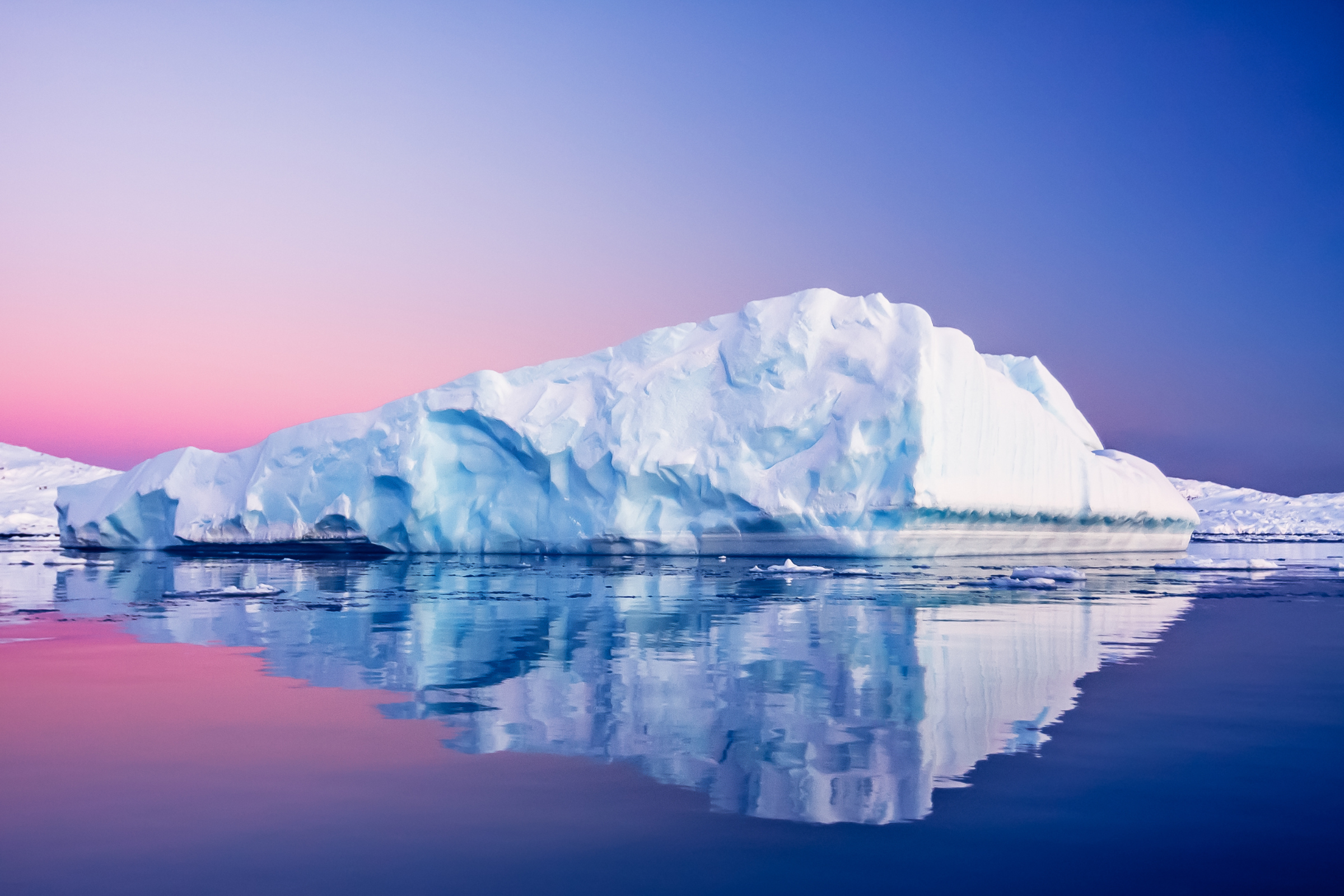
What most Antarctic brochures do not prepare you for is the scale. The photographs flatten it. In person, an iceberg the size of a city block, sculpted by wind and sea into shapes that suggest a collaboration between nature and a particularly ambitious architect, produces a physical response that is difficult to categorise. It is not quite awe and it is not quite terror. It is something in between.
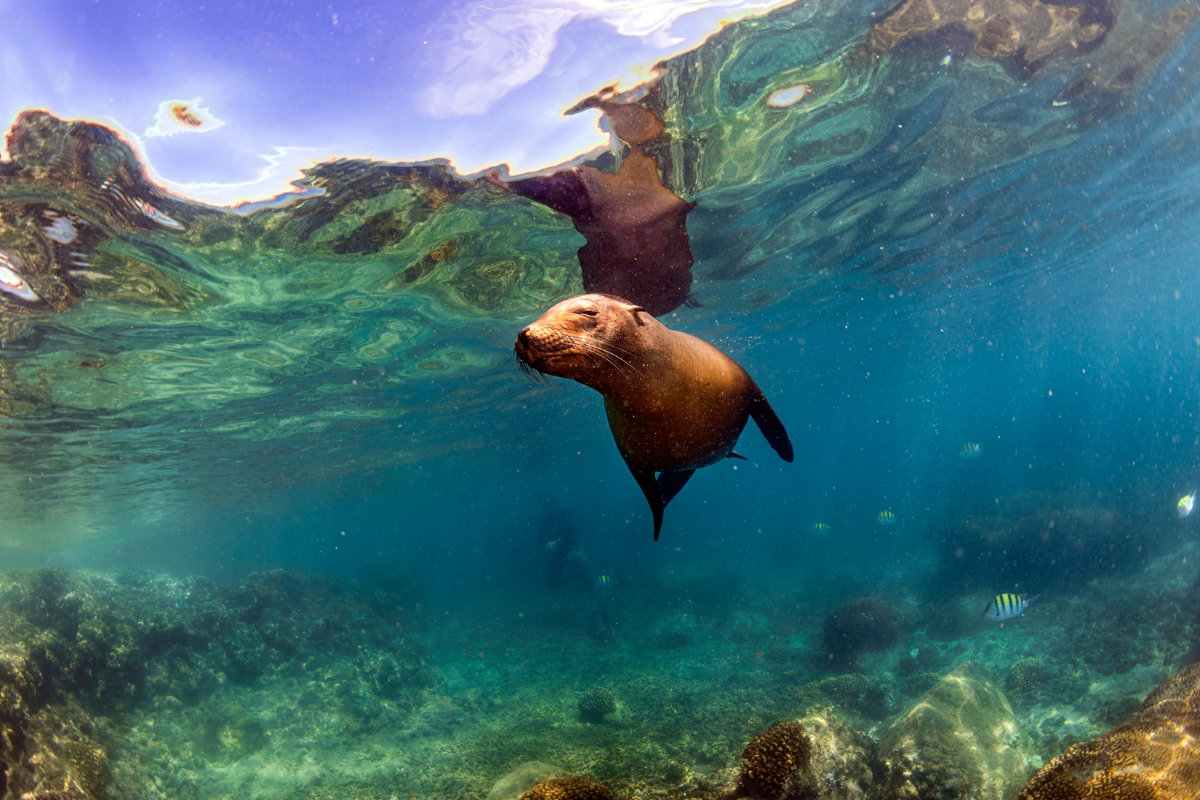
The Galapagos is a different proposition and, for many clients, an equally compelling one. The archipelago sits 1,000 kilometres west of Ecuador in the Pacific Ocean, and its wildlife has evolved in near-total isolation from human interference. The result is animals that display a complete absence of fear: a marine iguana that allows you to step around it rather than retreating, a blue-footed booby that regards you with placid curiosity at a distance of eighteen inches, a Galapagos sea lion that treats your Zodiac as a convenient floating object to sleep on.
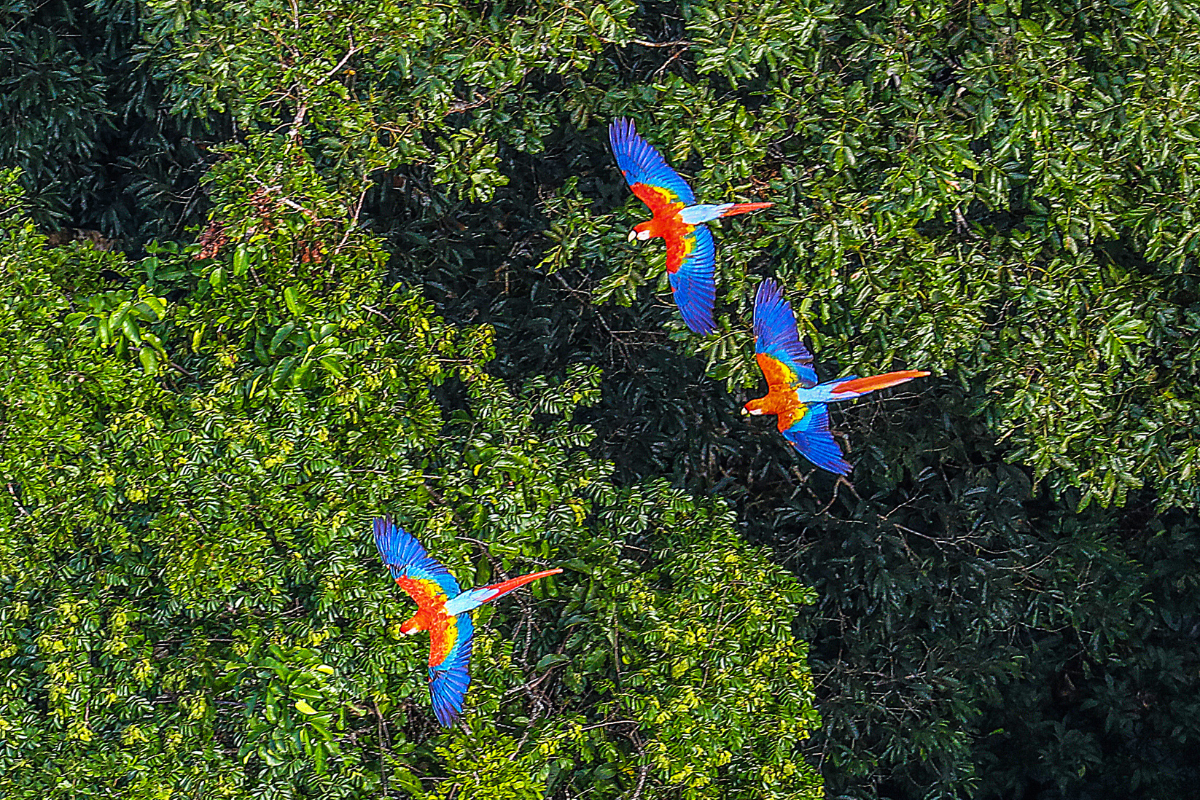
The Amazon, accessible via small-ship expeditions departing Manaus or Iquitos, offers a third kind of expedition entirely: the world's greatest river system, explored at a pace that allows genuine penetration into tributaries and flooded forests that the region's large riverboats cannot reach. Bioacoustic evenings, where expedition naturalists record and identify the sounds of the forest after dark, are consistently cited by clients as among the most affecting experiences of their travels.
"My expedition cruising clients share one characteristic with my African safari clients: they want to feel genuinely remote. They want to be somewhere that the world has not yet made ordinary. Expedition cruising is one of the last places that reliably delivers that."
Dalene, Founder, Atlas AtelierThe lines worth sailing
The expedition cruise market has grown rapidly enough that it now contains significant variation in quality, and the name of the ship or operator matters considerably. My recommendations for clients at the level I work with are Ponant, Silversea Expeditions, Seabourn Expedition, and Hurtigruten Expeditions, depending on the specific itinerary and the client's priorities.
Ponant, the French operator, produces a shipboard experience that combines expedition credentials with a level of culinary and design quality that places it apart from its competitors. Their Le Commandant Charcot, capable of navigating to the geographic North Pole, is the most technologically advanced expedition vessel currently operating and is, by any measure, the finest ship in the category. Silversea Expeditions brings the ultra-luxury standards of their Ocean product to remote destinations with a seamlessness that requires considerable operational expertise to achieve. Seabourn produces excellent guiding staff and an onboard experience that feels genuinely personal at their scale.
Why now
There is a version of this recommendation that I make to every client who mentions expedition cruising in passing, usually as an afterthought: the places that expedition cruising takes you to are changing. Antarctica's glaciers are retreating at a rate that is visible year-on-year. The Great Barrier Reef, accessible via expedition cruise from Australia, has experienced bleaching events of increasing severity. The Amazon basin is under pressures that have no simple resolution.
I do not say this to create a sense of urgency that does not exist. These destinations will remain extraordinary for decades. But the version of Antarctica that is available in 2026, with ice formations and wildlife that have been largely undisturbed by human presence, is a version that a generation hence may be qualitatively different. The clients who go now are seeing something that later clients will see differently.
That is as honest a reason to travel as any I know.
I will come back to you
with something that takes your breath away.
Antarctica, the Galapagos, the Amazon, the Arctic. I design expedition cruises with the same depth I bring to African safari. A conversation is where it begins.